

Synaptigen Probiotic Brain Formula Expands Availability in 2026 as Non-Stimulant Cognitive Support Gains Consumer Interest Amid Emerging Gut-Brain Metabolic Research
Company Continues Market Education on Microbiome-Based Memory Function and Mental Clarity Following September Launch; New Distribution Phase Addresses January Consumer Demand for Metabolic Approaches to Cognitive Wellness
SAN DIEGO, CA, Jan. 05, 2026 (GLOBE NEWSWIRE) -- Disclaimer: This article is for informational purposes only. It is not medical advice. Always consult a qualified healthcare professional before starting supplements. If you purchase through links in this article, a commission may be earned at no additional cost to you.
The company behind Synaptigen recently announced expanded market availability and continued educational initiatives following its September 2025 formula introduction that positioned probiotic-based cognitive support within mainstream wellness markets. The announcement comes as public trend-analysis tools commonly show seasonal interest patterns for cognitive wellness topics during early January, compared with typical mid-year periods, with specific interest clustering around terms including brain fog relief, post-holiday cognitive recovery, memory support for professionals, and probiotic brain supplements.
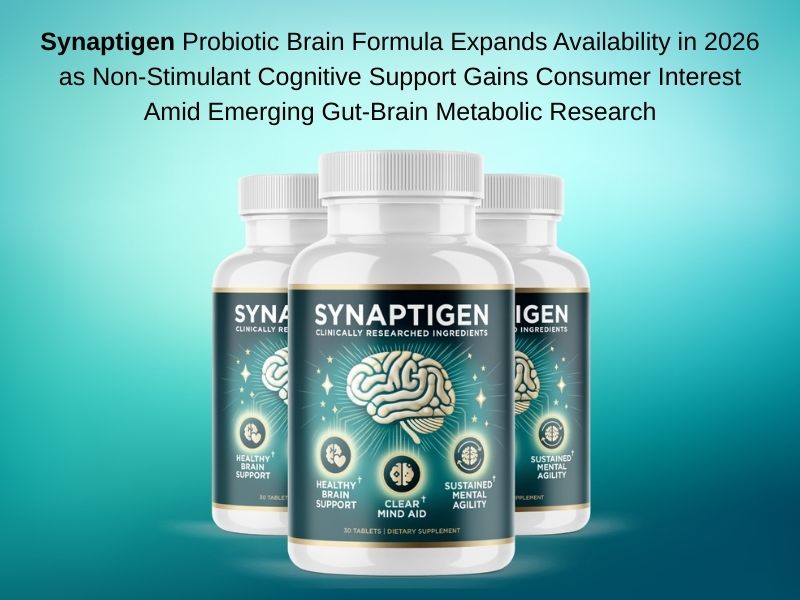
Some consumer research firms have reported increased interest in mental clarity and memory-support topics entering 2026, reflecting broader attention to cognitive wellness as a lifestyle category. The company reports that these seasonal demand patterns align with commonly observed seasonal behavior showing peak interest in cognitive wellness during early January, when New Year resolution-setting, post-holiday recovery needs, and first-quarter professional performance goals create heightened demand for brain health solutions.
Synaptigen's formulation features Lactobacillus paracasei, Lactobacillus reuteri, Bifidobacterium lactis BL-04, inulin, and botanical compounds. The company describes the formulation as being inspired by emerging research exploring how glucose metabolism and inflammatory signaling may influence synaptic communication—an area that remains under active scientific investigation within nutritional neuroscience. This metabolic phenomenon, which researchers are examining in relation to cognitive performance, represents growing interest in connecting metabolic health to cognitive function through gut-brain modulation rather than stimulant-based neural activation.
January 2026 Market Context: Post-Holiday Cognitive Wellness and New Year Resolution Positioning
The timing of Synaptigen's expanded market presence coincides with commonly observed seasonal patterns. Category reporting often notes that New Year resolution-setting, post-holiday recovery needs, and first-quarter professional performance goals create heightened demand for brain health solutions during early January periods.
According to the company, market feedback suggests growing mainstream awareness of cognitive wellness as a preventive health category distinct from pharmaceutical interventions for diagnosed conditions. The company notes that Synaptigen's non-stimulant structure aligns with consumer preferences for approaches that address cognitive fatigue, mental fog, and reduced processing speed potentially related to dietary factors, sleep disruption, and stress accumulation.
Building on September 2025 Launch: Market Education and Industry Response
The company's initial formula introduction in September 2025 emphasized ingredient transparency and manufacturing standards as competitive differentiators in a category often criticized for proprietary blends and unsubstantiated claims. That earlier announcement positioned Synaptigen within growing market interest in gut-brain axis research and probiotic applications beyond digestive health.
According to company representatives, the September launch generated market interest in the formulation's approach to probiotic-based cognitive support. Market feedback indicated that consumers appreciated specific probiotic strain identification, clear ingredient dosing, and educational content explaining biological mechanisms within the context of ongoing research.
The previous distribution announcement established market positioning emphasizing clean-label formulation, non-GMO ingredients, and FDA-registered manufacturing facilities. The current phase builds on that foundation by addressing seasonal demand patterns and expanding consumer education initiatives regarding realistic timeline expectations for probiotic-based approaches.
Addressing Counterfeit Distribution Concerns and Authenticity Verification
The company issued clarifications regarding unauthorized distribution channels following reports of products appearing on major e-commerce platforms without proper authorization. Representatives state Synaptigen is distributed through the brand's direct website to support quality control and batch traceability, including handling practices the company describes as important for probiotic products.
Consumer protection organizations have reported widespread supplement counterfeiting on third-party marketplaces, with cognitive supplements representing categories that face authenticity challenges. The company reports that products identified on unauthorized platforms contained incorrect ingredient ratios or different formulations despite packaging that could appear authentic to consumers.
This authentication concern reflects broader supplement industry challenges where premium products face counterfeiting risks as demand increases. The company's direct-distribution model addresses these concerns by maintaining control over handling practices, batch freshness, and formula authenticity the company considers important for probiotic supplement quality.
The Metabolic Research Context: Scientific Investigation and Mechanism Overview
Synaptigen's formulation rationale references ongoing research into metabolic factors that scientists are examining in relation to cognitive wellness. Peer-reviewed research has examined the gut-brain axis, including studies exploring relationships between microbiome patterns, inflammatory signaling, and cognitive health outcomes.
Research institutions have published findings examining age-related glucose metabolism changes in relation to cognitive patterns, supporting continued investigation into metabolic approaches for cognitive wellness. Researchers have documented metabolic phenomena where glucose handling in neural tissue represents an area of active investigation in nutritional neuroscience.
The company states that Synaptigen was formulated based on published research examining probiotic strains for associations with glucose modulation, inflammatory response, and stress signaling. Lactobacillus paracasei has been studied in relation to stress response and metabolic factors. Lactobacillus reuteri has been examined for associations with inflammatory markers and emotional processing pathways. Bifidobacterium lactis BL-04 has been investigated in research examining immune-modulated responses and cognitive factors.
Target Demographics and Cognitive Wellness Market Expansion
Market positioning materials indicate Synaptigen addresses interests across expanding demographic segments. Consumer groups exploring cognitive wellness options include adults over 50 managing age-related memory changes, remote workers experiencing digital fatigue, professionals with high cognitive workloads, and individuals seeking alternatives to caffeine-dependent approaches.
Additional consumer segments exploring cognitive wellness content include adults navigating age-related changes, work-related mental fatigue, shifting sleep patterns, and lifestyle-related stress. The formula's non-stimulant structure appeals to consumers interested in metabolic approaches to cognitive wellness. This positioning reflects market trends showing increased consumer interest in gut-brain research, microbiome optimization, and sustainable cognitive support options.
Evaluation Criteria Consumers Consider When Comparing Cognitive Wellness Supplements
Consumers comparing cognitive wellness supplements often evaluate factors such as stimulant content, ingredient transparency, tolerance concerns, and whether a product is intended for short-term alertness or longer-term lifestyle support. Common evaluation considerations include:
Metabolic pathway approaches versus stimulant activation: Individuals interested in microbiome-based approaches to mental clarity rather than stimulant activation may find formulas that emphasize biological balance align with wellness philosophies they're exploring.
Morning cognitive patterns and afternoon energy fluctuations: People experiencing cognitive heaviness, slow mental activation in morning hours, or characteristic afternoon patterns may be interested in formulas that address inflammatory signaling and metabolic factors researchers are examining.
High-stress cognitive workloads without stimulant dependence: Remote workers, executives, and knowledge workers managing multiple cognitive demands through extended sessions may be interested in approaches that don't rely on stimulant activation patterns that can lead to tolerance development.
Age-related memory considerations: Adults noticing slower name recall, difficulty retaining work information, or reduced conversational fluency may be interested in addressing metabolic factors that researchers are examining in relation to cognitive aging patterns.
Caffeine dependency or stimulant-related concerns: Individuals who developed tolerance to caffeine, experience anxiety or sleep disruption from stimulant-based approaches, or seek more sustainable options may find microbiome-based mechanisms offer alternative pathways worth exploring.
Extended evaluation periods versus immediate effects: Probiotic-based formulas are designed for consistent daily use over extended periods, making them less suitable for individuals seeking rapid enhancement for particular deadlines, presentations, or examinations. Biological mechanisms involving probiotic colonization and metabolic factors typically require consistent use over extended periods to assess cumulative patterns.
Wellness goals versus diagnosed conditions: Products positioned as wellness supplements for healthy adults managing normal age-related changes or lifestyle-induced cognitive concerns differ from treatments for diagnosed cognitive disorders or neurological conditions requiring medical oversight.
Questions Consumers May Consider
When evaluating cognitive wellness supplements, consumers often ask themselves whether they're seeking short-term enhancement for specific events or long-term metabolic support for sustained mental clarity. Additional considerations include whether they prefer stimulant-free formulas working through microbiome and metabolic pathways, whether they can commit to daily use for extended periods when assessing patterns, and whether they have existing medical conditions requiring professional consultation before beginning supplementation.
Ingredient Profile and Manufacturing Standards
The formula's design reflects nutritional neuroscience trends examining connections between gut microbiota composition and cognitive performance. The company emphasizes ingredient transparency and manufacturing standards as competitive differentiators in categories often criticized for proprietary blends.
Lactobacillus paracasei, one of three probiotic strains, has been investigated in studies examining stress response and metabolic factors. Published research has explored this strain's associations with metabolic balance relevant to cognitive performance under high-demand conditions. Lactobacillus reuteri has been studied for associations with inflammatory markers and emotional processing pathways, with research examining connections between inflammatory patterns and stress resilience.
Bifidobacterium lactis BL-04 has been studied in research examining immune-modulated responses and cognitive factors. The strain appears in research examining connections between immune function, inflammatory patterns, and mental clarity. Collectively, these strains were selected based on published research examining complementary roles in metabolic balance, inflammatory modulation, and stress-response pathways that researchers are investigating in relation to cognitive function.
Inulin, derived from plant sources, functions as prebiotic fuel enabling bacterial colonization while appearing in published research examining post-meal glucose patterns. Research in metabolic journals has examined connections between prebiotic fiber consumption and glucose stability, factors relevant to metabolic mechanisms researchers are investigating. Tricalcium phosphate supports cellular signaling processes requiring mineral cofactors.
Botanical components including strawberry extract and peppermint extract contribute polyphenolic compounds and antioxidant activity. Research on strawberry polyphenols has explored hippocampal function and memory pathway associations, while peppermint derivatives have been investigated for attention, oxidative stress, and perceived mental clarity.
The company states its manufacturing follows GMP standards and references quality-control practices on its website. Consumers are encouraged to review current manufacturing and testing disclosures directly with the brand. The company reports that production facilities conduct batch-level testing and that probiotic strains undergo viability testing, with specific details available through direct inquiry.
Realistic Timeline Framework and Expectation Management
The company emphasizes that individual experiences vary and that probiotic-based supplements are typically evaluated over extended periods. Published probiotic research often examines outcomes across multi-week or multi-month observation windows rather than immediate effects. The company recommends consistent daily use to allow interconnected biological mechanisms to develop over time as documented in probiotic intervention research.
According to published guidance on probiotic supplementation, meaningful patterns with probiotic interventions typically emerge across extended timelines as bacterial colonization occurs and metabolic pathways respond to consistent input. The company's educational materials emphasize that Synaptigen does not produce immediate cognitive effects characteristic of stimulant-based products, instead supporting evaluation across extended periods that align with how biological mechanisms unfold naturally.
Market Differentiation: Probiotic-Based vs Stimulant-Based Cognitive Approaches
The cognitive supplement category encompasses fundamentally different mechanisms ranging from stimulant activation and neurotransmitter precursors to herbal extracts and synthetic compounds. Understanding mechanistic differences helps consumers identify which approaches align with needs, preferences, and health considerations.
Stimulant-based products, including caffeine, synthetic compounds, and energy-boosting formulas, work by forcing increased neural activity, neurotransmitter release, or metabolic acceleration. These products typically produce noticeable effects within short timeframes and appeal to users seeking immediate cognitive enhancement. However, they may lead to tolerance development, energy fluctuations, sleep disruption, anxiety, and cardiovascular effects making long-term use challenging for some individuals.
Probiotic-based cognitive support, the category Synaptigen represents, works through metabolic and inflammatory pathways rather than neural stimulation. Effects develop gradually over extended periods as bacterial colonization occurs, inflammatory balance shifts, and metabolic patterns stabilize. This approach avoids stimulant-related concerns and supports sustainable cognitive function but requires patience and consistent use when evaluating whether patterns emerge.
The choice among these categories depends on individual needs, timeline expectations, health considerations, and preferences for acute versus cumulative approaches. Users seeking immediate performance for specific events may prefer stimulants despite potential drawbacks. Those prioritizing long-term cognitive wellness and sustainable support may find microbiome-based approaches more aligned with goals.
Safety Profile and Quality Verification
The company presents Synaptigen as a dietary supplement for healthy adults and notes it is stimulant-free. As with many probiotic products, some people report mild digestive adjustment when starting. These effects, typically including minor bloating, increased gas, or changes in bowel consistency, are documented in probiotic literature and generally resolve as digestive systems adapt to new bacterial populations.
Individuals with existing medical conditions, particularly those affecting immune function, digestive health, or neurological systems, should consult qualified healthcare professionals before beginning supplementation. Those taking medications should verify potential interactions with their healthcare provider. The company encourages consumers to review complete ingredient lists and allergen information available on its website.
Pregnant and nursing women should obtain healthcare provider clearance before using any dietary supplement, including probiotic-based formulas. Individual health factors and pregnancy-specific considerations require professional evaluation.
Contact Information
For questions before or during use, according to the company's website, Synaptigen offers customer support:
- Phone: 302-404-2568
- Email: contact@synaptigen-product.com
- Hours: Business hours, Monday through Friday
The company has published additional details on formulation and policies here: View the current Synaptigen offer (official Synaptigen page)
Market Context and Category Growth Projections
The cognitive wellness supplement market has expanded significantly driven by aging demographics, increased brain health awareness, digital work environments creating cognitive demands, and growing interest in preventive health strategies. Products in this category range from single-ingredient formulas to complex multi-component formulations, with mechanisms spanning traditional herbs, synthetic compounds, and emerging approaches like probiotic-based support.
Industry analysts project continued market growth through 2030, particularly in segments emphasizing clean-label transparency, research-aligned mechanisms, and non-stimulant options. Consumer preferences increasingly favor products with disclosed ingredients, third-party testing, and biological plausibility over proprietary blends.
Synaptigen enters this landscape with microbiome-first positioning differentiating from both stimulant-based products and traditional herbal supplements. The gut-brain axis focus reflects emerging scientific trends while the probiotic mechanism offers tangible, research-supported pathways distinct from more established cognitive supplement categories.
The formula's January 2026 expanded market presence timing aligns with seasonal patterns showing peak brain health supplement interest in early January. New Year wellness resolutions, post-holiday cognitive recovery needs, and first-quarter performance goals create heightened demand for cognitive support products during this period. The product's positioning as sustainable, long-term support aligns with resolution-setting behavior patterns favoring gradual approaches over temporary solutions.
Distribution and Satisfaction Policies
According to publicly available information, Synaptigen is offered in multiple supply options through the brand's direct website. The company emphasizes that proper evaluation of probiotic-based mechanisms requires commitment to extended timelines rather than expecting results within short periods characteristic of stimulant products.
According to the company's published policies, purchases are subject to a satisfaction guarantee. Consumers are encouraged to review current terms, timeframes, and conditions directly here: View the current Synaptigen offer (official Synaptigen page)
Disclaimers
FDA Health Disclaimer: These statements have not been evaluated by the Food and Drug Administration. This product is not intended to diagnose, treat, cure, or prevent any disease. Always consult your physician before starting any new supplement, especially if you have existing health conditions, take medications, or are pregnant or nursing.
Professional Medical Disclaimer: This article is educational and does not constitute medical advice. Synaptigen is a dietary supplement, not a medication. If you are currently taking medications, have existing health conditions, are pregnant or nursing, or are considering any major changes to your health regimen, consult your physician before starting Synaptigen or any new supplement. Do not change, adjust, or discontinue any medications or prescribed treatments without your physician's guidance and approval.
Results May Vary: Individual results will vary based on factors including age, baseline health condition, lifestyle factors, consistency of use, genetic factors, current medications, and other individual variables. Results are not guaranteed. The descriptions provided represent areas of ongoing scientific investigation and do not constitute claims of specific health outcomes.
FTC Affiliate Disclosure: This article contains affiliate links. If you purchase through these links, a commission may be earned at no additional cost to you. This compensation does not influence the accuracy, neutrality, or integrity of the information presented. All opinions and descriptions are based on published research and publicly available information.
Pricing Disclaimer: Availability, pricing, and promotional offers are subject to change without notice. Always verify current pricing and terms here: View the current Synaptigen offer (official Synaptigen page)
Publisher Responsibility Disclaimer: The publisher of this article has made every effort to ensure accuracy at the time of publication. We do not accept responsibility for errors, omissions, or outcomes resulting from the use of the information provided. Readers are encouraged to verify all details directly with Synaptigen and their healthcare provider before making decisions.

Phone: 302-404-2568
Email: contact@synaptigen-product.com
Legal Disclaimer:
EIN Presswire provides this news content "as is" without warranty of any kind. We do not accept any responsibility or liability for the accuracy, content, images, videos, licenses, completeness, legality, or reliability of the information contained in this article. If you have any complaints or copyright issues related to this article, kindly contact the author above.
